(By using the affiliate links and/or codes in this blog post, you help support Myles Katherine Photography. I may earn a small commission at no additional cost to you if you make a purchase through these links. Thank you for your support!)
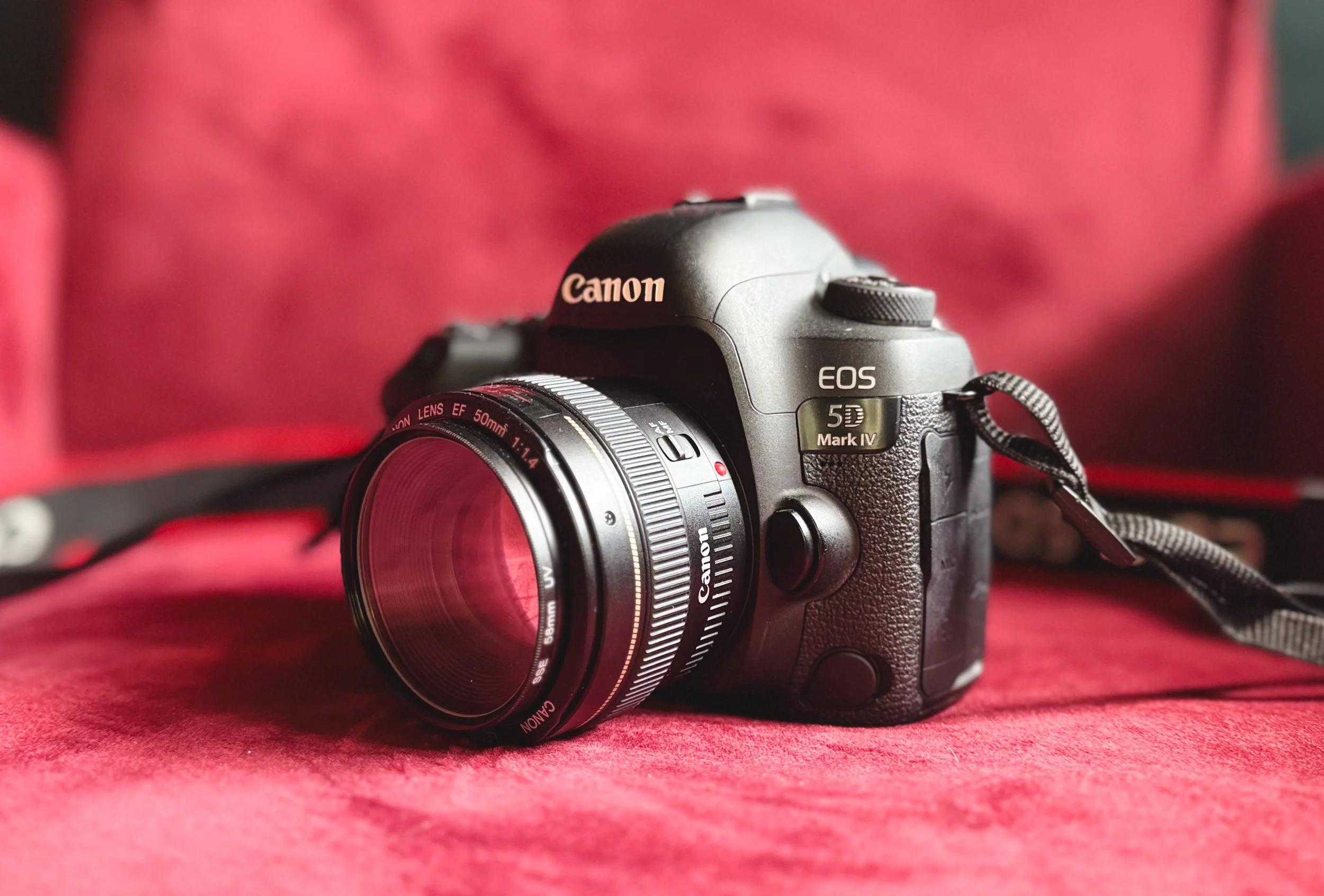
I’ve reviewed quite a few Canon lenses at this point but I definitely can’t forget about this one! The Canon EF 50 mm f/1.4 USM lens is probably one of the most underrated Canon lenses, in my opinion. It was my first fixed lens that I purchased to use alongside my Canon 5D Mark II (I’ve since upgraded to the Canon 5D Mark IV), and it was honestly the starting point for my entire photography career. The images I created with this lens caught the eyes of some of my very first clients. It’s an incredible lens for the price and has a magic to it that I haven’t been able to find with any other lenses in this price point. I eventually upgraded to the Canon EF 50mm f/1.2 L lens (you can read more about this lens on my blog here!) and sold this one, but then I recently found it in a thrift store for an incredible price and bought it again! I was always upset with myself for selling it because the images I created with it were so special and memorable. I’m honestly so glad that it’s back in my collection. I typically give it to my second shooter at weddings while I use the 50 mm f/1.2 L, just because that one does do a bit better in low light. But there are so many positive things about the 50 mm f/1.4 USM lens and so I believe it deserves a full blog post showcasing it’s amazing capabilities!


3 OF MY FAVORITE FEATURES OF THE CANON 50MM F/1.4 LENS
IT’S SMALL AND LIGHTWEIGHT
Once you get into the L series lenses, they start to get bulky and heavy. The 50mm f/1.2 L lens is much larger and heavier than the f/1.4. If you go for the f/1.8 lens which is even cheaper then this lens, the lens is even smaller. However, I didn’t find the f/1.8 lens as special as this one. While I prefer zoom lenses in general, especially when I’m shooting a wedding, I love a fixed lens because of how much less annoying they are to walk around with. They’re great for traveling and are much easier to manage when carrying it in a camera bag. I travel a LOT and I have reached a point in my life where I just don’t bring my giant zoom lenses with me anymore. They make my backpack way too heavy. So these days I’ll stick a fixed lens on my camera and call it a day. I don’t find them as efficient and they do require more patience because you constantly have to step backwards or forwards to capture the exact distance you want from your subject or landscape.
THE BOKEH IS STUNNING
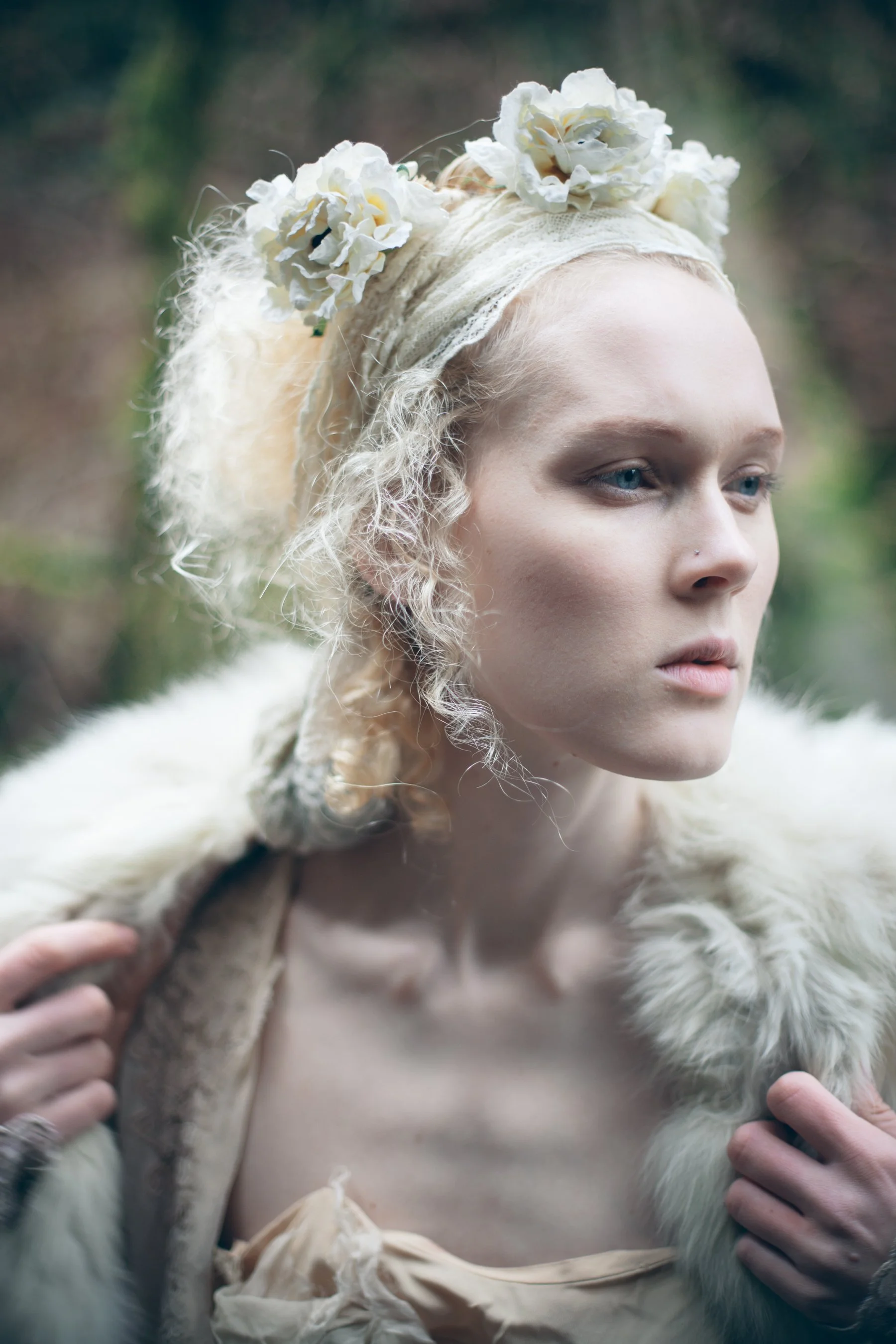
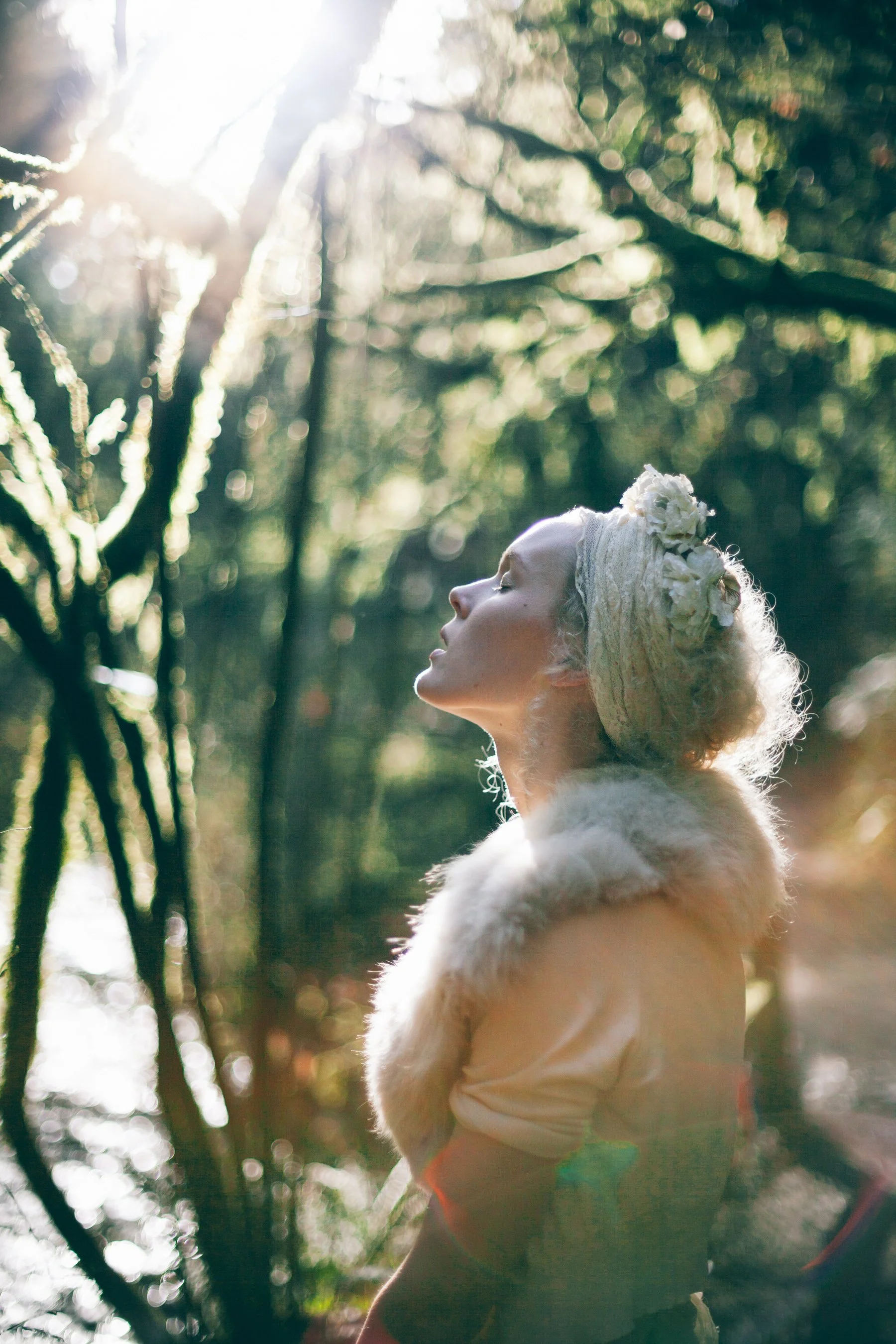
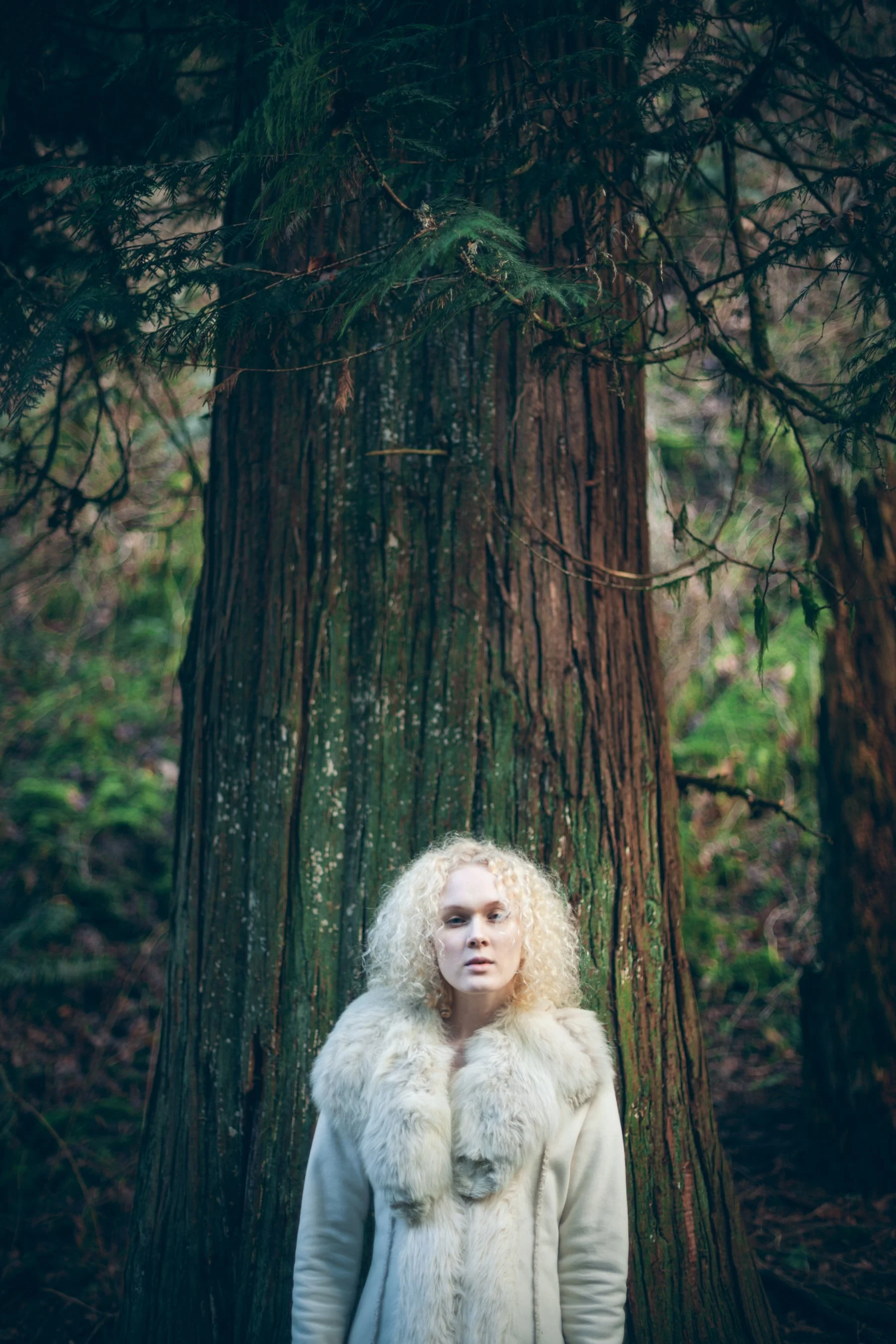
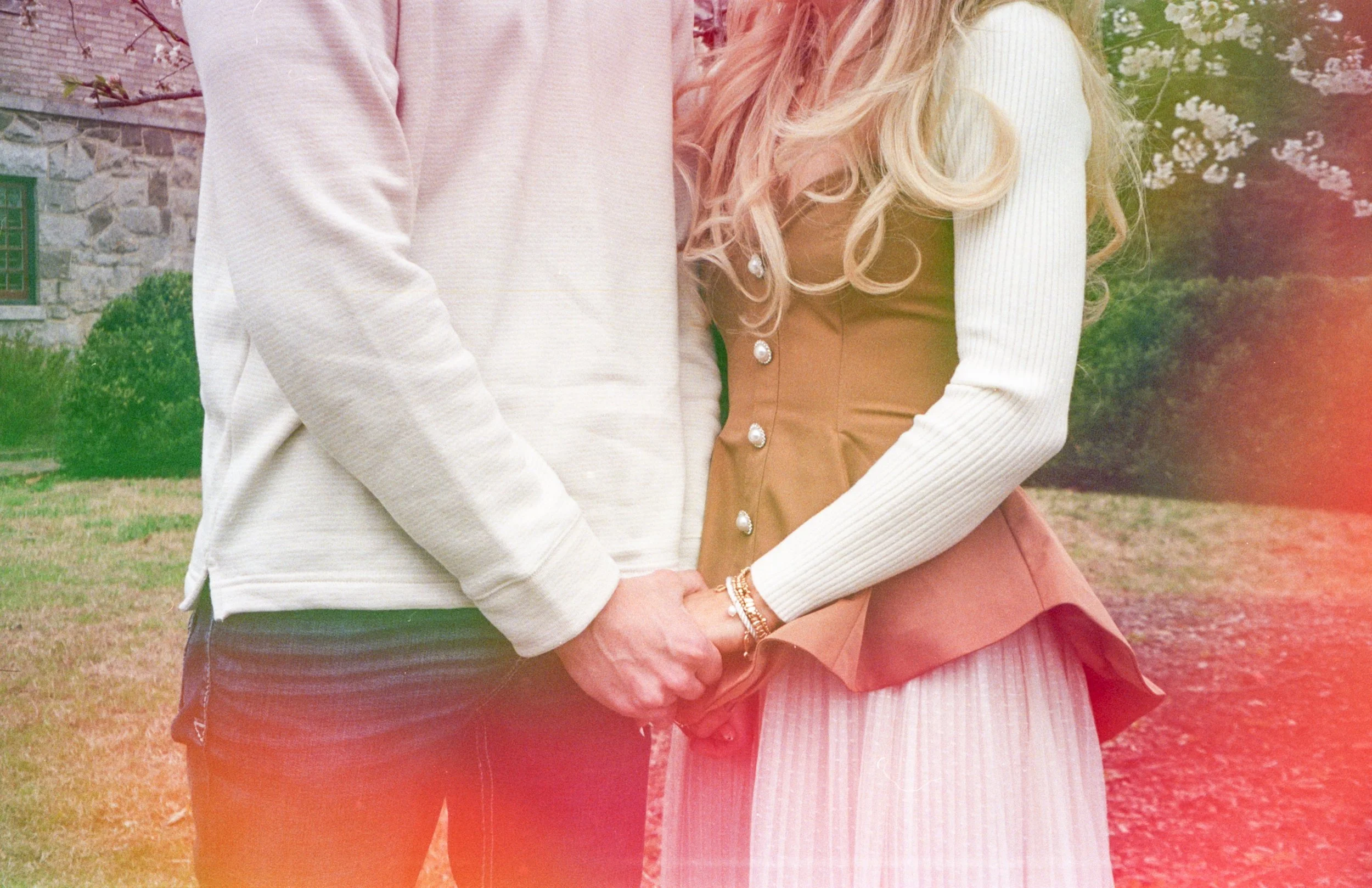
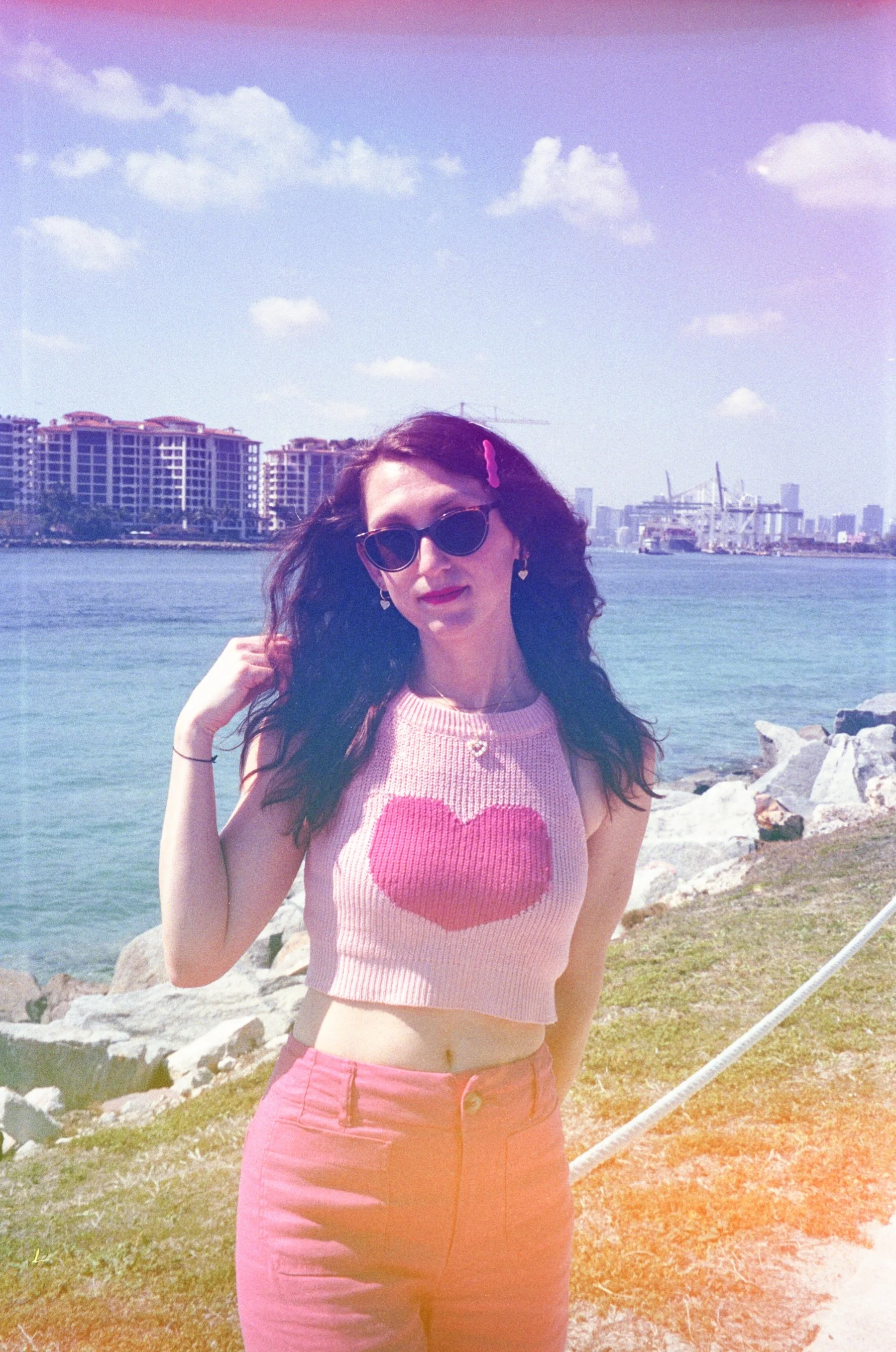
While the bokeh that this lens can produce isn’t technically amazing, there is something special about it, in my opinion. The key characteristic of ideal bokeh is that the circles that the lens produces at it’s widest aperture are perfectly circular. These circles are a little oblong, but I find it gives the images more of a surreal quality, which I prefer. It reminds me of an art lens, like the TTArtisan 75mm f/1.5 Swirly Bokeh Lens or the Petzval lenses (you can find them on Lomography or eBay for more affordable used ones).
IT’S AFFORDABLE!
I recommend this lens constantly because it’s an amazing mid-range lens that can truly elevate your work. Personally, I love shooting with this lens wide open, or close to it. In bright lighting situations, you’ll want to lower your exposure to make up for all of the light the lens is bringing in. If your photos are too bright or blown out, that’s how you know the exposure needs to come down. This lens costs about $450 new, which is pretty amazing for the images it can produce. Of course, it matters what camera you’re shooting with too, but for the images shared in this post, I used a Canon 5D Mark II, which was a super professional camera when it first was released, but now can be found for as cheap as $300 through KEH Camera for one in excellent condition. It’s a great starting point if you’re just starting your photography business and aren’t quite ready to spend thousands of dollars on lenses and equipment.

CANON 50 MM F/1.2 L LENS (LEFT) VS. CANON 50MM F/1.4 USM LENS
3 CONS OF THE CANON 50MM F/1.4 USM LENS
IT HAS A STRONG VIGNETTE TO THE IMAGES
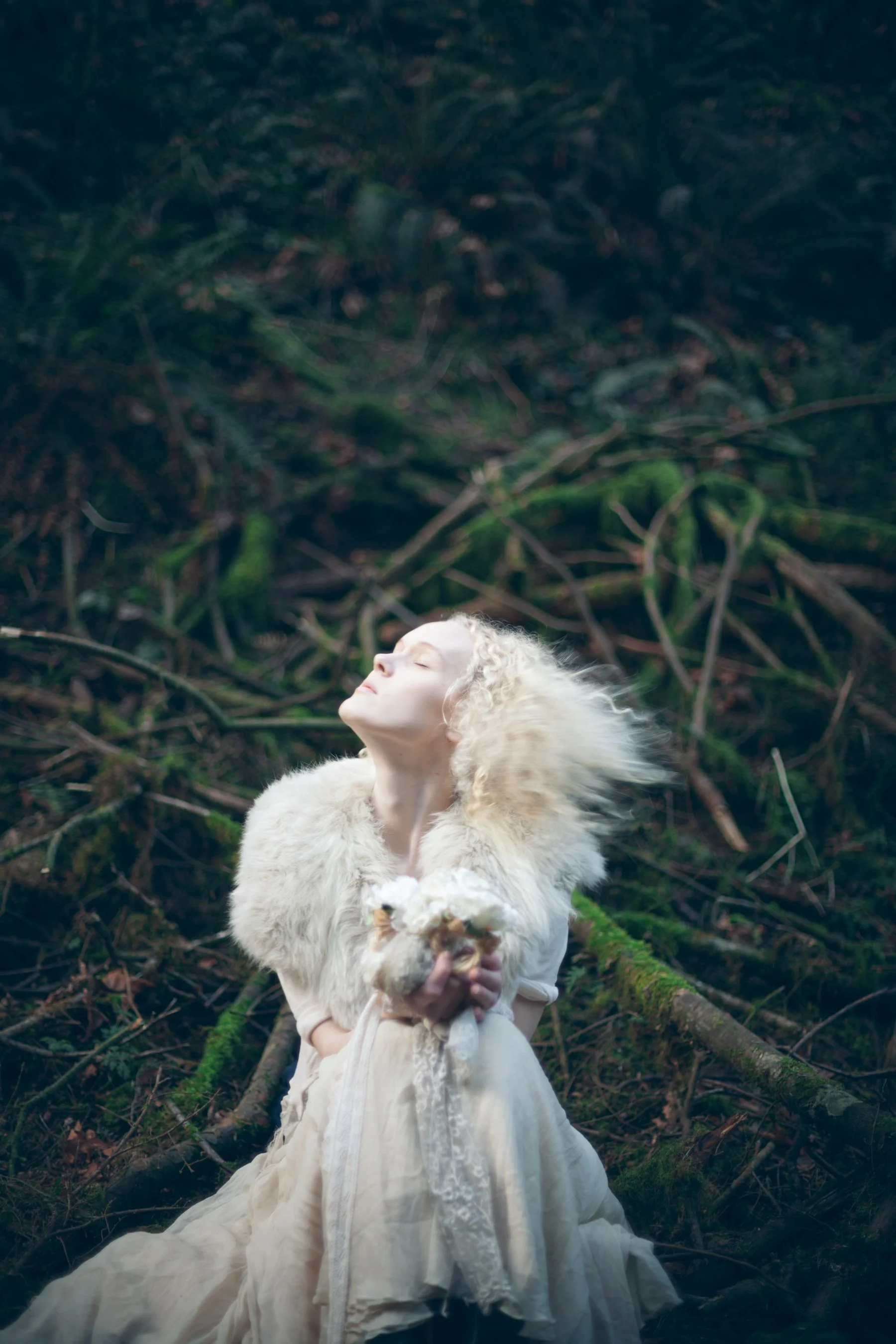
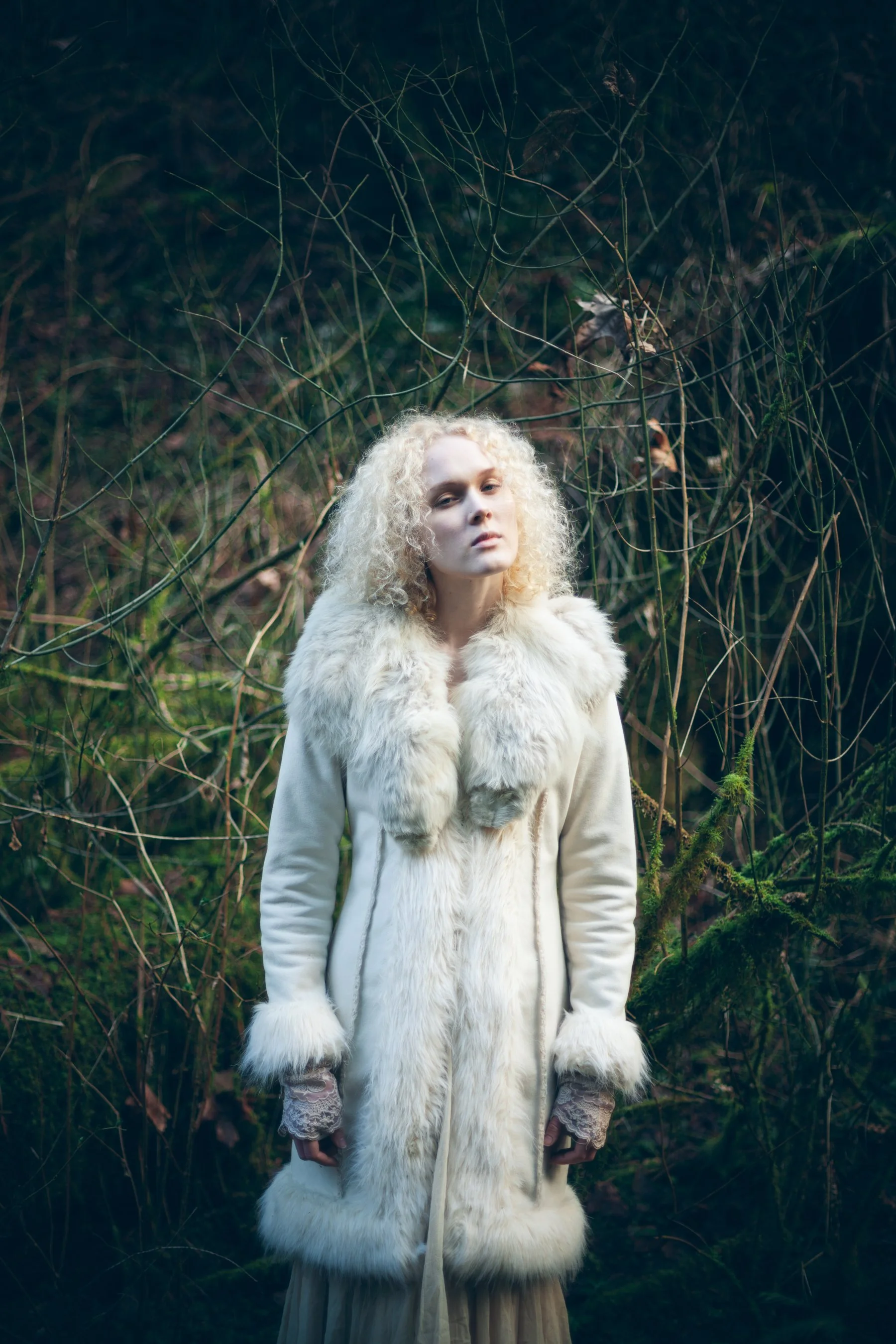
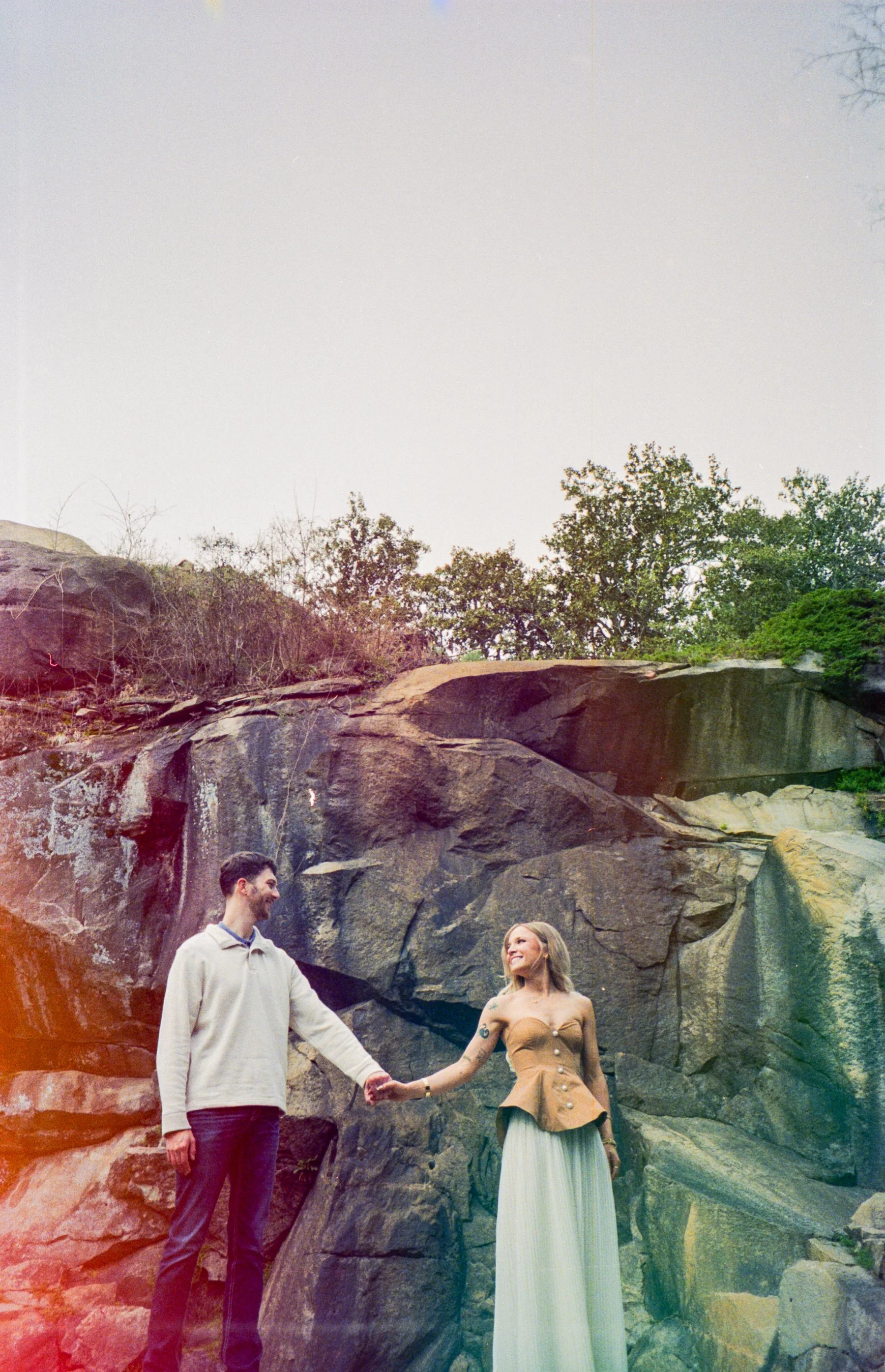
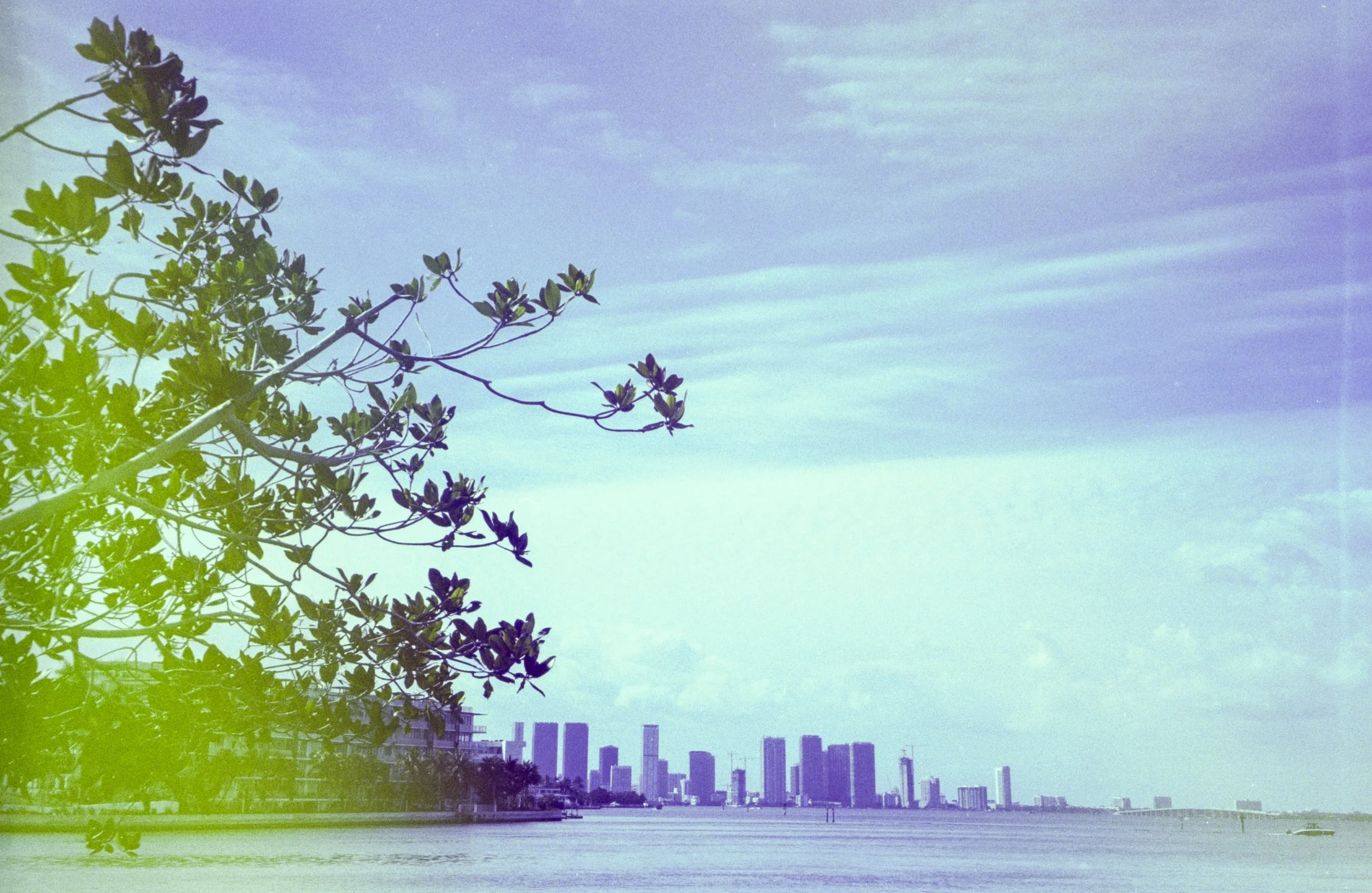
This isn’t necessary a negative to me, but a lot of people might find this frustrating. My favorite camera in the world is the Holga GCFN, which is known for it’s intense vignette, so I’m used to it and I find that it fits my personal style perfectly. I like to shoot darker imagery and I love a spooky elements to my photos. If you’re looking for a perfect wedding lens for high quality portraits or you prefer brighter imagery when editing, you’d probably prefer the 50mm f/1.2 L lens. If you aren’t sure what I mean by vignette, it means that the edges of the photo are dark and shadowy, almost like you’re shooting through a pinhole camera. You can see a circular ghosting around the corners of the photo. Again, doesn’t bother me but I totally understand if it bothers you!
THE IMAGES MIGHT SEEM A BIT SOFT
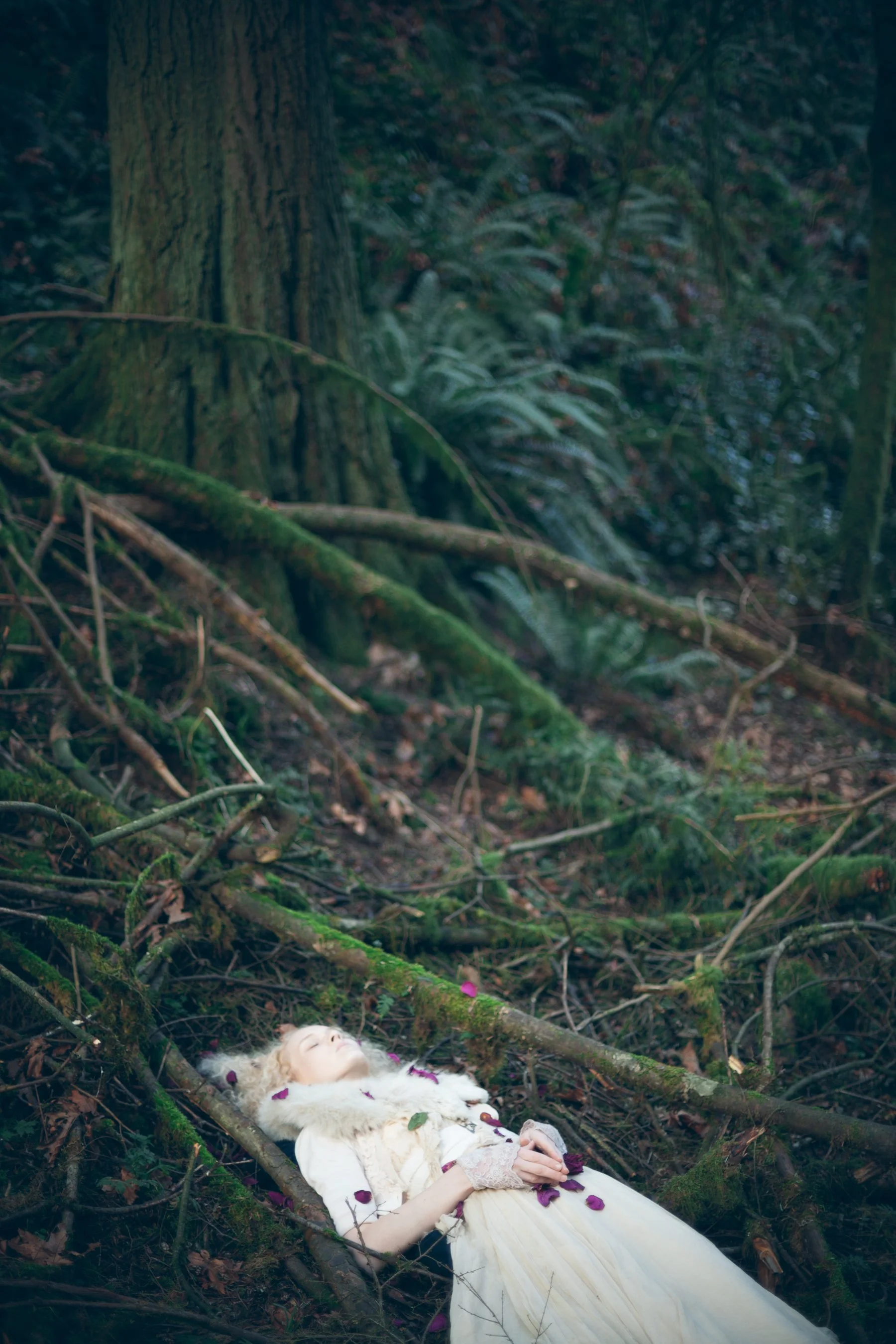
I wouldn’t describe this lens as the sharpest in the world, especially when comparing it to the 50 mm f/1.2 L lens. My 1.2 lens is incredibly sharp, especially when I’m shooting with the newer mirrorless cameras. I have a Canon EOS R that does amazing with the 1.2 lens, and I’m going to be upgrading to the Canon R6 Mark III soon and I know that’s going to be incredible too! I’m definitely looking for the sharpest images possible when I’m shooting for a client. However, creatively I actually prefer softer images. I’m also used to shooting with a lot of crappy film cameras, so I’m used to my images not being perfectly sharp. I just think it adds more character. I’m not a technically minded person so I’m not always looking to create the best image. I’m looking to create the most unique image.
IT ISN’T COMPATIBLE WITH THE NEWER CANON MIRRORLESS CAMERAS WITHOUT AN ADAPTER
This lens is a bit outdated as Canon moves towards only producing mirrorless cameras. The RF lenses are the newer line of lenses by Canon, so if you decide to get a Canon 5D Mark II, III or IV, then the RF lenses are not compatible at all. Meaning, no matter what you can’t use the RF lenses with an EF camera. However! It does work the other way around. You CAN use the EF lenses with an RF camera. So the 50 mm f/1.4 lens that I’m talking about isn’t entirely useless. You just have to buy an EF to RF adapter. But just know that this lens is the older EF style of lenses by Canon. And just to let you know, the adapter does make the lens stick out a bit more so it makes your camera set-up a bit bulkier.
SO, WOULD I RECOMMEND THIS LENS?
100%. I recommend this lens constantly to anyone who asks me where they should start if they don’t have a huge budget. I’d probably go for a Canon 6D Mark II and this lens if you’re looking for an affordable but professional starter set-up. This set-up carried me for quite a few years and helped me to grow my photography business. I actually used the Canon 6D, not the 6D Mark II, but I recommend the 6D Mark II because it’s a bit more modern. If you’re looking for more of a budget option and really want to start low, the Canon 5D Mark II and III are incredibly affordable, but just know you’re likely buying a used one, since they are pretty outdated. They were top of the line when they first came out though, so if you’re able to find one in excellent+ condition, you’re really getting an incredible deal and could definitely be considered a professional photographer with the images you could produce.
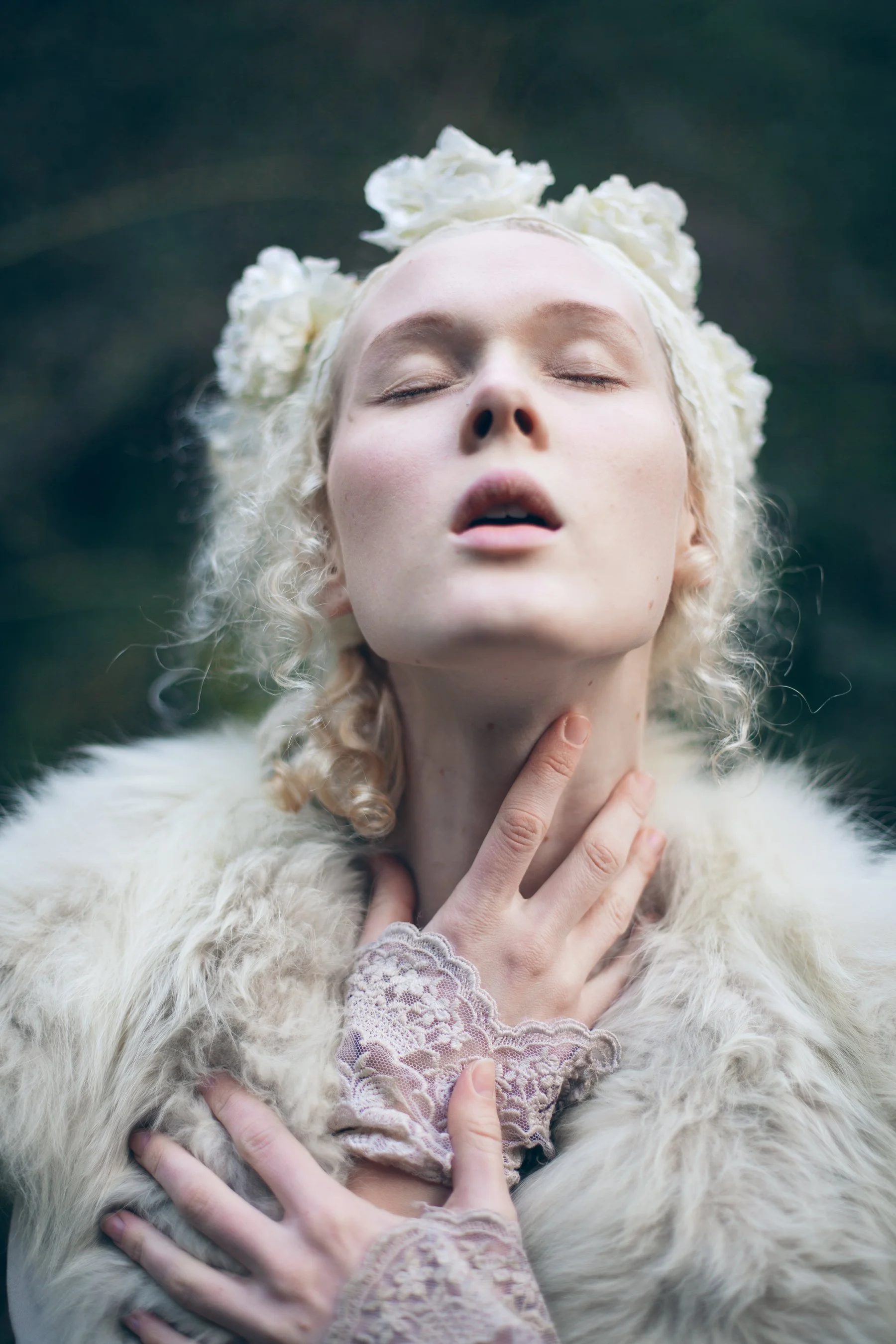
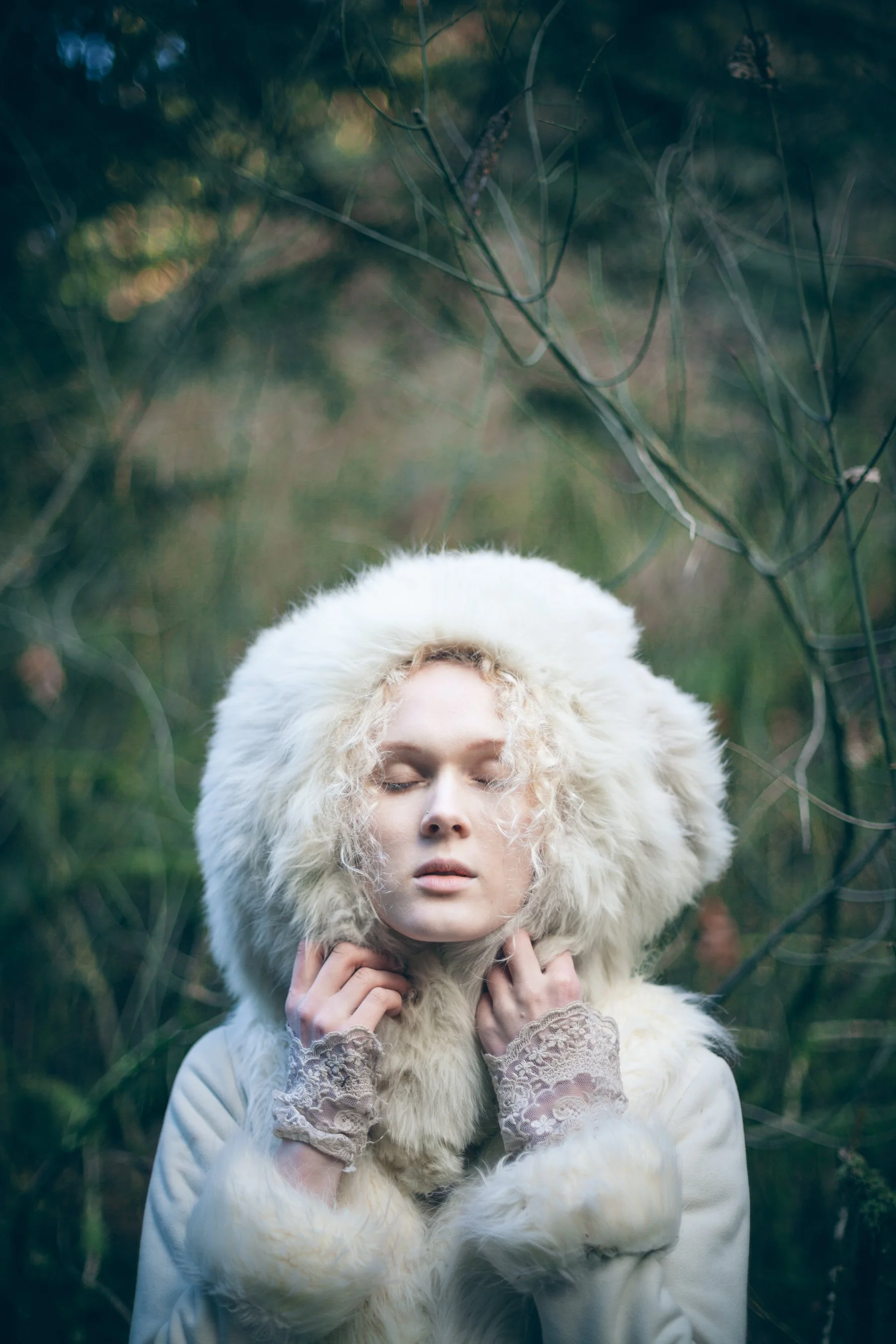
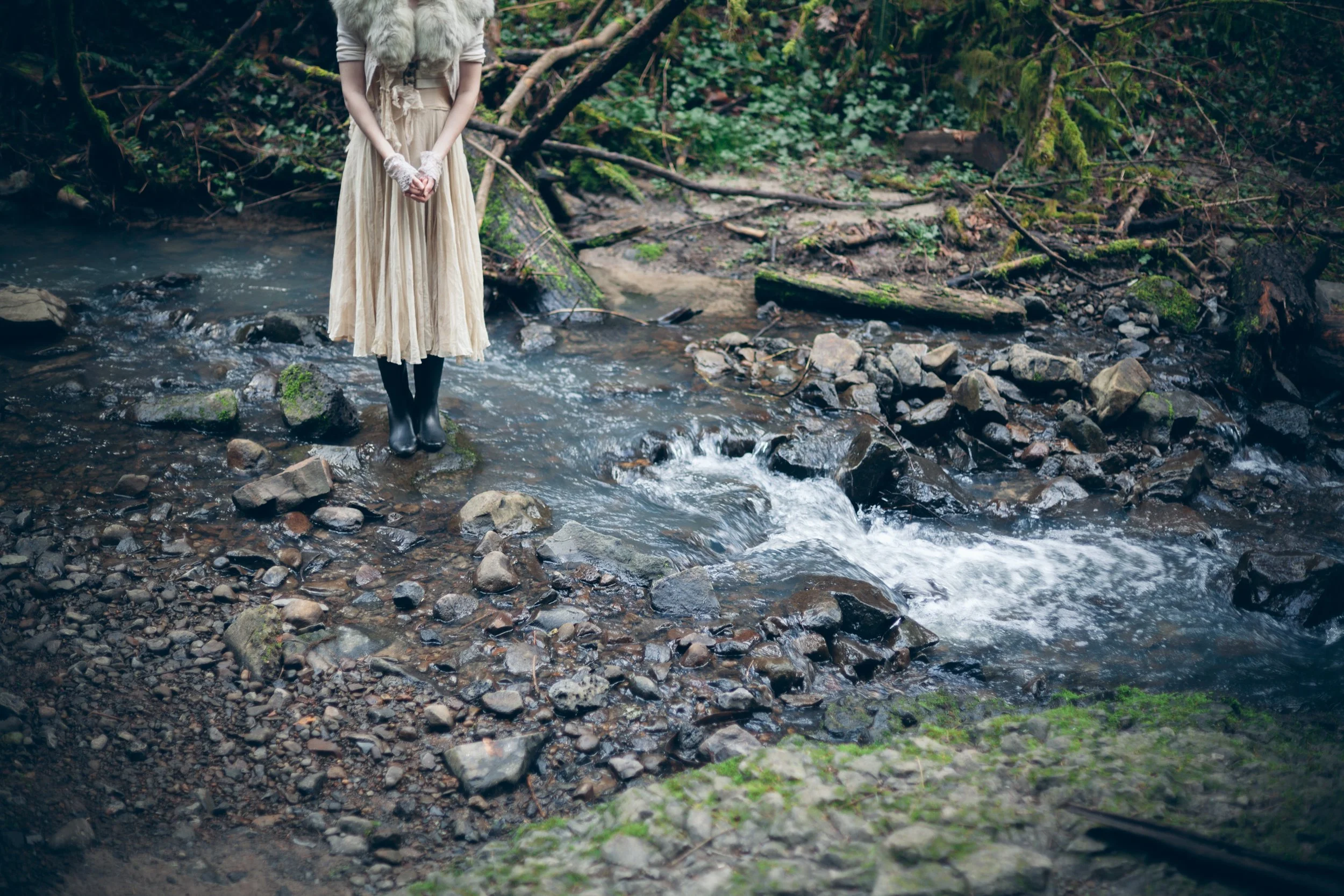
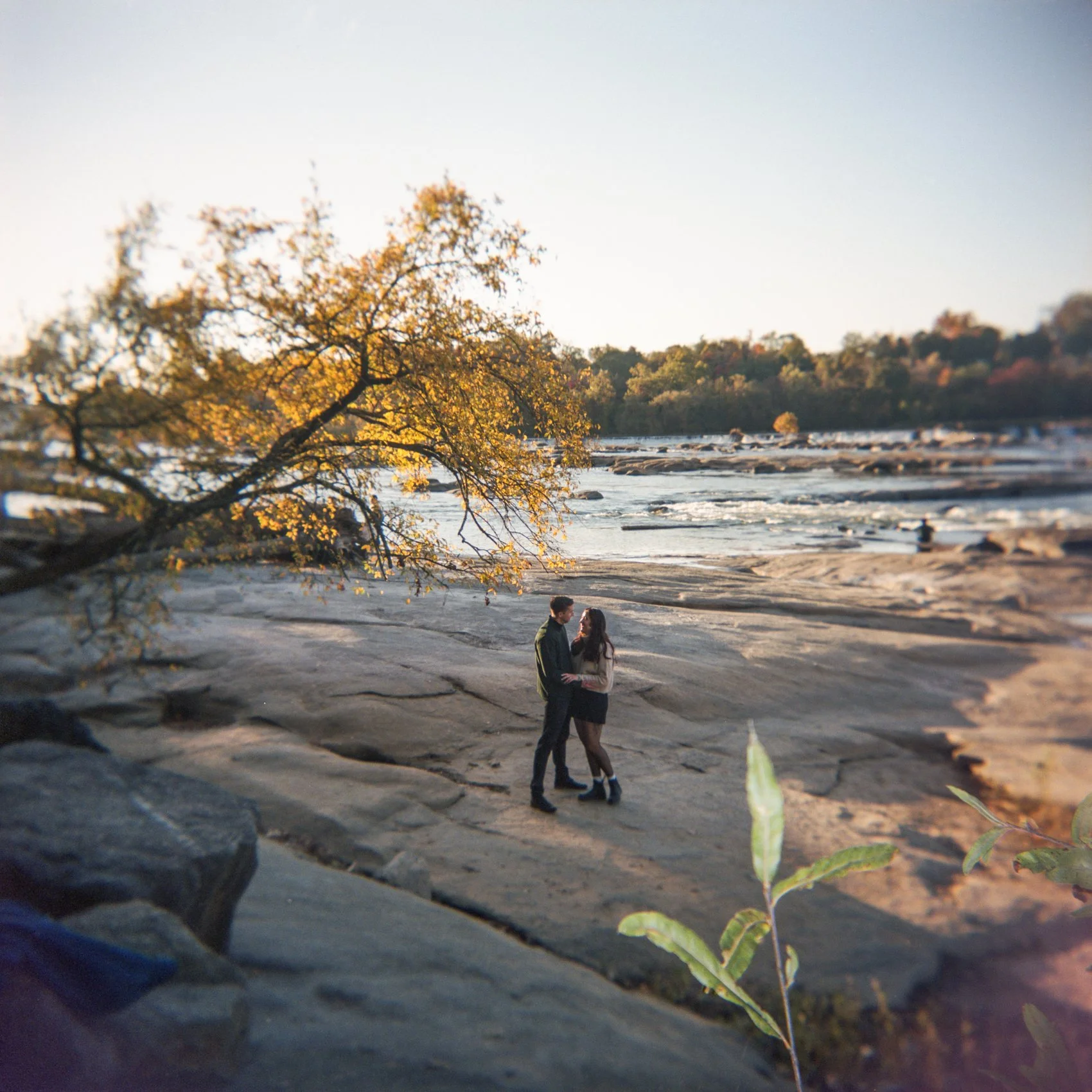
I’m so glad this lens is back in my possession and I honestly can’t wait to take it out on another fun fashion shoot. It’s a great lens if you’re looking to be creative, have fun, and create unique images. I was lucky enough to work with model Annie Montgomery for these photos and I’m just so obsessed with everything we created together. We took these photos in Forest Park in Portland, Oregon, which is one of the most magical places in the city. If you’re visiting Portland, I highly recommend walking the trail from Lower Macleay park to Pittock Mansion.
If you’re looking for a zoom lens, I highly recommend the Canon 24-70mm f/2.8 II L lens ( I have a full blog post about this lens here). I’ve been using this lens for years and it has truly carried my photography business. It’s perfect for weddings and low light scenarios that require fast shooting. It’s great for portraits but also for landscapes, nature and travel. If I had to choose between a fixed lens or a zoom lens, I’d always go for a zoom, but ideally I have a fixed lens and a zoom lens with me at all times. You’re usually compromising a wide aperture for the zoom focal length, so when it comes specifically to portraits, a 50 mm lens like the 50 mm f/1.4 is my go-to. Nothing beats the magic of an f/1.2 or f/1.4 lens shot wide open.
So, in conclusion, I love this lens and I think you will too! If you’ve used this lens before, I’d love to know what you think about it! Maybe I’m weird for loving it’s quirkiness but I just find it creates the most beautiful, surreal photos. Let me know your thoughts!
If you’re in the beginning stages of choosing a camera, make sure to check out my blog posts, The 15 Best Digital Cameras for Beginner Photographers Under $1500 or The Top 10 Most Desired Digital Cameras of 2026.
WHERE TO BUY THE CANON 50MM F/1.4 USM LENS
AMAZON
B&H PHOTO
KEH CAMERA (USED)
WHERE TO BUY THE CANON 50MM F/1.2 L LENS
AMAZON
B&H PHOTO
KEH CAMERA (USED)
If you found this post helpful in any way, I’d love it if you considered signing up for my Patreon! For as little as $1 a month, you’ll get early access to all of my YouTube videos, plus tons of photos that I don’t post anywhere else. Depending on which tier you choose, you could also receive seasonal prints and/or discounts! I always use all of the proceeds towards cameras, film & processing.
If you have any questions, I’m always happy to help! You can contact me here, or leave a comment below! Thanks so much for stopping by! You can also check out my B&H Photo storefront & Amazon Storefront for more camera/film recommendations. :) Have a magical day!
<3 Myles Katherine